

Before we get started, we just wanted to say again how excited we are about Reps. Chris Pappas and Chuck Edwards stepping forward for camps.
These Camp Caucus co-chairs are leading the way. And we have more exciting updates to share soon.
—
Today, ACA convenes tables.
Workforce development discussions. Youth mental health initiatives. Model frameworks for camp safety, building and fire code updates, and so many other things.
When major organizations discuss childhood development, much of the time, camps are in the room. Not as guests — as respected leaders.
But this wasn't always true.
Getting here required changing how we talked about ourselves.
Where Camp Used to Stand
For decades, camp existed in its own world.
We talked about the "magic of camp." And that magic was real. The transformations that happen at camp are profound and lasting.
But when broader conversations happened about education, youth development, or workforce readiness, camp wasn’t even on the minds of those folks.
Education policy discussions? Camp wasn't there.
Youth development coalitions? Often not invited.
Workforce readiness initiatives? Not considered relevant.
Some summer learning organizations actively avoided using the word "camp" because they thought it would weaken their policy arguments.
It really wasn’t that camp didn't “matter.” The outcomes were always there. Kids learning leadership. Building resilience. Developing independence and collaboration skills.
It was sometimes more a struggle to explain our impact in terms others understood.
Camp always had the results. We just didn't always have the vocabulary or the evidence to back it up.
Finding the Language
Research started giving us new ways to describe what camp does — from social-emotional learning (SEL), to growth mindset, to building essential 21st-century skills, to workforce development. These weren't new programs we had to go out and adopt. They were names for what we'd been doing all along.
Then, along the way, something interesting happened.
Organizations that studied these concepts in schools started looking at camps. They'd come expecting to teach us (or sell us) how to implement SEL curricula or structured skill-building programs.
Then they'd observe camp for a few days . . . and realize camps were already doing this organically, often more effectively than structured school programs.
The dynamic flipped. We went from being told what frameworks to adopt to being asked how we achieve these outcomes so naturally.
Getting in the Room
Once we could articulate impact in shared language, doors started opening.
Camp has always developed leadership, taught collaboration, built resilience, and created belonging. No change was needed on those fronts.
But there began more ways to explain it in terms policymakers, educators, and funders understood.
First, we weren’t considered in conversations.
Then, we asked for a seat at the table.
Then, we earned that seat through demonstrated expertise.
Now, when things get really exciting . . . we convene the table.
When workforce development coalitions form today, ACA sometimes gets the call. When youth mental health initiatives launch, camps are part of the planning. When outdoor education research happens, camp is the model. When folks think about the skills that kids will need to thrive in an age of AI, camp is a place or the place where kids learn these skills deeply.
Building Our Own Table
Getting seats at other people's tables taught us something important.
We needed our own table too.
A permanent space where camp's (collective) voice carries weight. Where policymakers come to us, not the other way around.
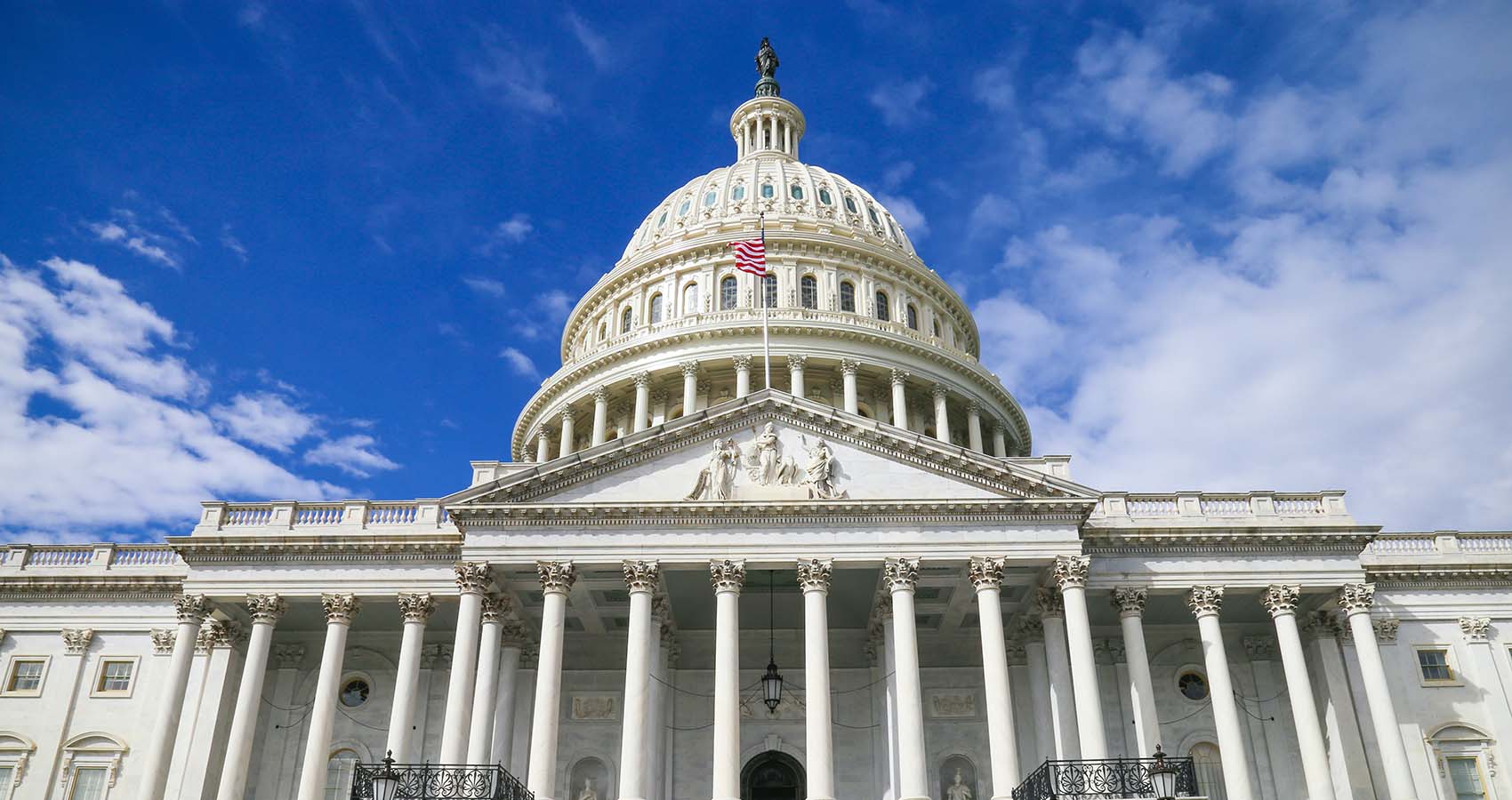
The Congressional Camp Caucus is the culmination of this journey.
From being excluded to being essential. From reactive advocacy to strategic leadership. From explaining ourselves to setting the agenda.
None of this happened overnight. It's the result of years of professional growth, research validation, and earned credibility from so many camp professionals over so many decades.
But now we're here.
Speak With Pride
Camp professionals should speak about their work with confidence. Not just to each other, but to educators, policymakers, and community leaders.
Use the language the broader world understands: Leadership development. Workforce readiness. Social-emotional growth. Belonging. Resilience. Critical thinking. Collaboration.
These aren't buzzwords. They're descriptions of what camp has always done.
The world is finally listening.
Make sure they hear you.
The views and opinions expressed by contributors are their own and do not necessarily reflect the views of the American Camp Association or ACA employees.